
Heading Back to School with Headaches? How Neurolens Fixes Digital Eye Strain for Adirondack Students
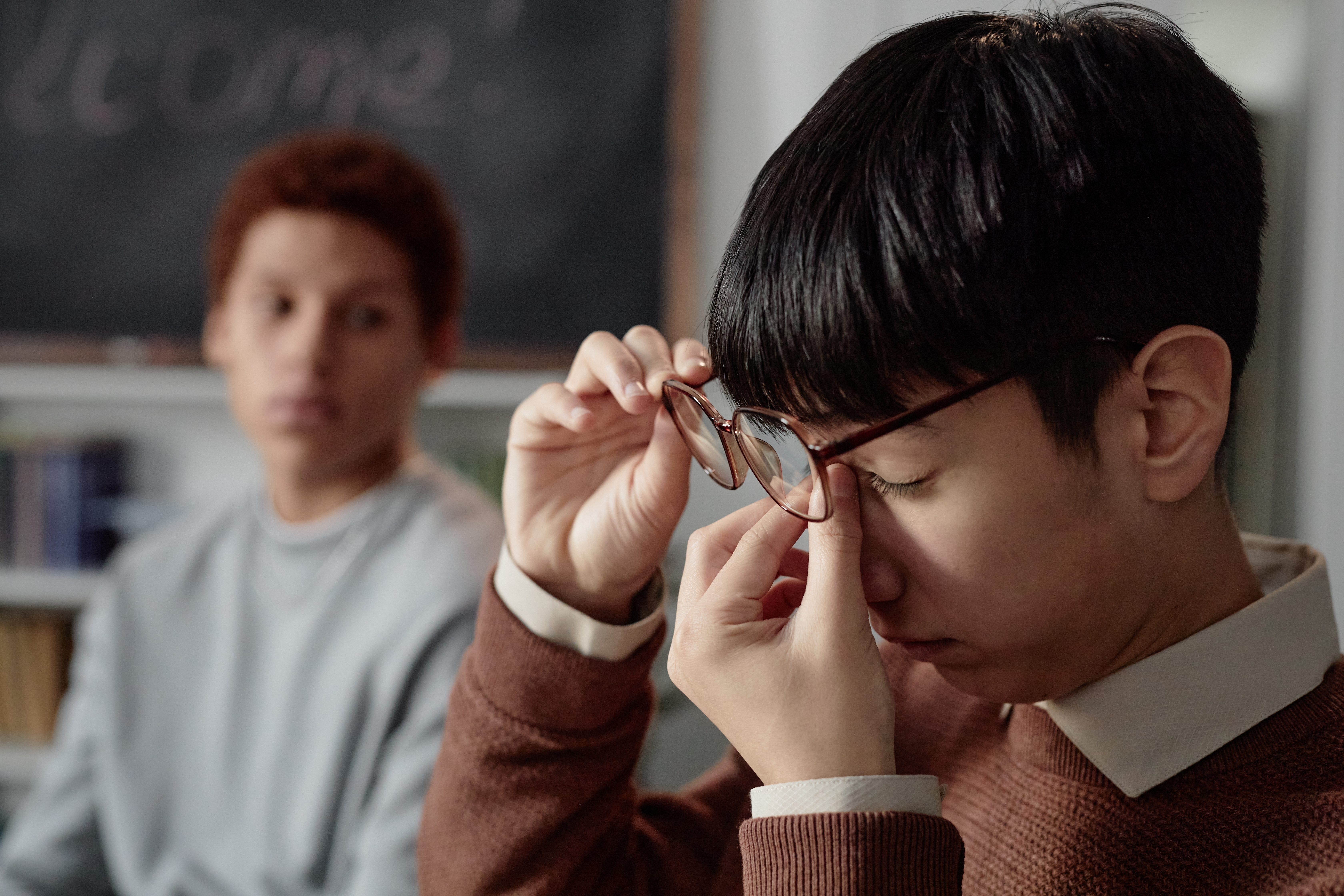
As students return to classrooms, homework, and after-school activities, screen time often increases quickly. Laptops, tablets, phones, and interactive classroom displays can keep the eyes working at close range for hours. For some Adirondack students, that visual demand may lead to headaches, tired eyes, light sensitivity, neck tension, or difficulty staying focused.
These symptoms may be blamed on stress or a busy school schedule, but subtle eye misalignment can also play a role. Neurolens technology is designed to reduce the extra effort the eyes use to work together, helping students experience more comfortable vision during school and screen-based tasks.
Why Digital Eye Strain Can Trigger Headaches
The eyes must coordinate precisely when reading, typing, or switching between a screen and the front of the classroom. When the eyes are slightly misaligned, the visual system may have to work harder to maintain a single, clear image. This extra effort can place stress on the connection between the eyes and brain.
Long periods of near work can make symptoms more noticeable, especially during the school year. A student may have clear eyesight on a standard vision chart but still experience discomfort while completing assignments. This is why recurring headaches and eye strain deserve a comprehensive evaluation rather than being dismissed as normal screen fatigue.
Signs a Student May Need a Neurolens Evaluation
Symptoms can vary, and students may not always know how to describe what they are feeling. Parents should watch for patterns such as:
- Headaches after reading, studying, or screen use
- Eye fatigue or soreness later in the day
- Neck and shoulder discomfort during homework
- Light sensitivity or frequent squinting
- Trouble concentrating on close-up work
- Needing frequent breaks from digital devices
These concerns do not automatically mean a student needs Neurolens. However, persistent symptoms can signal that the eyes are working harder than they should.
How Neurolens Technology Works
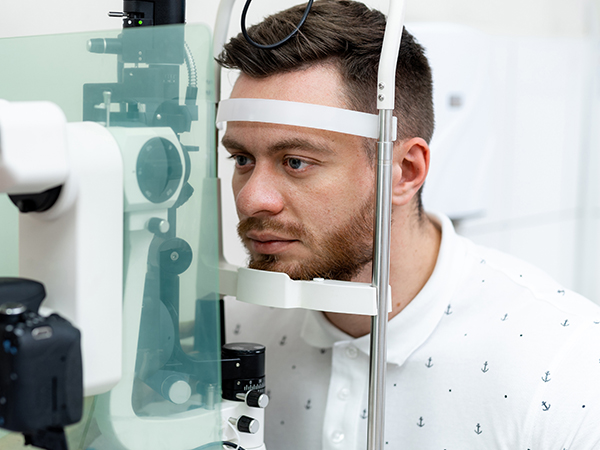
Neurolenses use contoured prism technology to help address eye misalignment and reduce visual stress. At Adirondack Eye Care Center, eye alignment can be measured with the Neurolens N3 device. This technology uses eye tracking and a three-dimensional experience to evaluate how the eyes move and work together.
The measurements help determine whether Neurolens prescription lenses may be appropriate. Unlike general blue-light glasses, Neurolenses are customized to the student’s specific alignment needs. They may be worn for classroom learning, homework, computer use, or throughout the day depending on the prescription.
Supporting More Comfortable Learning
When visual discomfort is reduced, students may find it easier to stay engaged with reading, assignments, and digital lessons. Neurolens does not replace healthy screen habits, so students should still take regular visual breaks, maintain an appropriate working distance, and use comfortable lighting.
A comprehensive eye exam is the first step. The exam allows the eye doctor to review the student’s symptoms, assess overall vision and eye health, and determine whether eye misalignment may be contributing to headaches or digital eye strain. Adirondack Eye Care Center provides Neurolens evaluations at its Boonville location.
Schedule a comprehensive eye exam with Adirondack Eye Care Center in Boonville, NY, by calling 315-942-2122 and help your student start the school year with clearer, more comfortable vision.
Quick Links
Helpful Articles
All Eye Care Services
Find personalized eye care excellence with our comprehensive services. From eye exams to advanced diagnostics, trust us for all your vision needs.

Keep In Touch
For non-urgent questions or to learn more about our services, contact us today!
© 2026 Adirondack Eye Care Center. All rights Reserved - Accessibility Statement - Privacy Policy - Sitemap
Managed and Designed by 